Sigmund Freud
Hormones guide growth mood metabolism and reproductive timing through steady internal messaging. When one gland shifts activity other systems often respond in subtle ways. The thyroid influences how cells use energy while reproductive messengers shape cycle rhythm and emotional tone. Link between thyroid and hormonal imbalance may slowly affect daily vitality sleep quality and mental clarity. Paying attention to early signs supports better self care and long term balance.
Hormone Signal Coordination
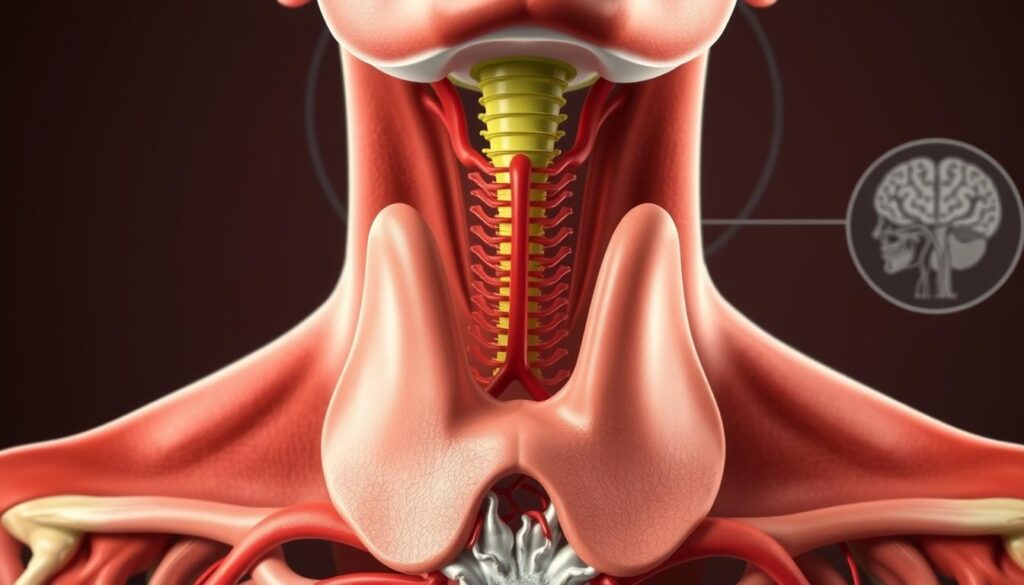
The thyroid helps regulate how quickly cells convert stored nutrients into usable fuel. Estrogen and progesterone rely on this energy flow to maintain predictable rhythm across monthly patterns. When thyroid output becomes sluggish or excessive receptor response may change in distant tissues. This shared pathway explains why fatigue and cycle changes often appear together rather than separately. The Link between thyroid and hormonal imbalance often becomes clearer when symptoms are viewed as connected signals instead of isolated problems.
Reproductive Rhythm Stability
Estrogen supports tissue growth while progesterone brings calming balance after ovulation. Their partnership depends on accurate timing directed partly by metabolic signals. If thyroid messaging slows the shift between these two hormones may feel uneven or delayed. Emotional sensitivity sleep variation and irregular bleeding patterns can follow subtle endocrine disruption.
- Encourages steady cycle timing through reliable gland communication
- Supports emotional steadiness with balanced receptor sensitivity
- Promotes healthy tissue response during monthly hormonal transitions
- Maintains metabolic pace for consistent reproductive signaling
- Reduces internal strain by aligning endocrine feedback loops
Energy Flow and Metabolism
Energy level often reflects thyroid efficiency because it directs cellular fuel use. When output declines the body may conserve energy leading to sluggish thinking and reduced stamina. Reproductive hormones also depend on adequate fuel supply to maintain balanced secretion patterns. A strained metabolic rate can therefore influence mood and menstrual rhythm simultaneously. Restoring steady energy production frequently improves multiple symptoms without focusing on only one gland.
Daily nourishment sleep depth and gentle movement contribute to stronger metabolic rhythm. Whole nutrients provide raw materials required for messenger synthesis. Restful nights allow endocrine signals to reset with clearer feedback. Light strength practice improves circulation helping hormones reach target tissues effectively.
Signs of Internal Imbalance
Early warning signs may feel vague at first. Subtle fatigue brain fog mild anxiety or unexpected weight variation often develop gradually. Many people address each concern separately which may delay deeper insight. Observing patterns across energy mood and cycle timing reveals a shared origin within endocrine communication.
- Notice persistent tiredness despite adequate nightly rest
- Track irregular cycle shifts over several months
- Observe mood swings not linked to obvious triggers
- Monitor changes in skin hair or temperature tolerance
- Record concentration decline during low energy phases
Lifestyle Influence on Endocrine Harmony
Daily choices shape hormone stability more than many realize. Consistent sleep patterns strengthen thyroid release patterns which steady reproductive rhythms. Balanced nutrition rich in essential micronutrients assists messenger production within glands. Mindful stress relief protects delicate feedback loops from overload. Gentle physical activity supports circulation that distributes signals efficiently through tissues.
Links Thyroid Performance and Estrogen Progesterone shows that hormone health depends on cooperation across systems. When patterns are observed early meaningful adjustments become easier to apply. Viewing symptoms as interconnected signals leads to wiser decisions. A thoughtful approach that respects overall balance offers practical steps toward renewed vitality and steadier emotional rhythm.
Key Points Overview
- Hormone networks operate through shared feedback signals
- Metabolic stability influences reproductive rhythm consistency
- Early pattern tracking supports timely corrective action
- Rest nutrition movement shape endocrine communication strength
- Coordinated care fosters long term internal equilibrium
Frequently Asked Questions
How does thyroid activity affect menstrual cycle consistency?
It alters energy supply influencing hormone timing and stability.
Can stress disrupt both metabolic and reproductive hormones?
Yes chronic tension interferes with endocrine feedback coordination.
Why do fatigue and mood changes appear together often?
Shared hormonal pathways create overlapping systemic responses.